LENDEV LAB
  • Home
  • Research
  • People
  • News
  • Outreach
  • Publications
  • Teaching
  • Join the lab
  • Contact

News of the lab

How do we study resilience? New paper

3/10/2024

0 Comments

 
Picture
Our new study, years in the making, is finally out! The study, in which Yann, Marie-Claude and Olivia were involved, is an outcome of the project "Socio-ecological resilience in the face of global environmental change in heterogeneous landscapes – building a common platform for understanding and action", headed by Sandra Díaz (Universidad Nacional de Córdoba), in which we participated in 2019-2022.

The paper explores the use of the concept of resilience, which has gone from a relatively obscure idea to somewhat of a household item over the last couple of decades. We argue that the idea’s appeal lies in part in the fact that it is intuitive and cuts across disciplines, much like that of sustainability, for example. Yet, when the time comes of applying it to real-life contexts, not all studies use the concept of resilience rigorously. We wanted to know how empirical studies, not just conceptual or modeling work, were tackling resilience. In particular, we were curious to see how many of these studies met what we called basic operationalization criteria – criteria that indicate a minimum level of rigor and comparability in these studies –, namely, defining a system of interest, specifying disturbances, providing a definition of resilience, evaluating resilience (either qualitatively or quantitatively), and for studies that examine social-ecological systems, integrating social and ecological dimensions in that evaluation.

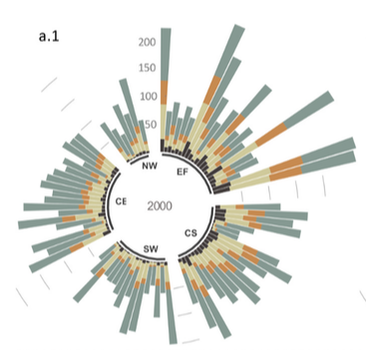
We found thousands of academic papers that used the word in the last couple of decades but focused on 463 that were empirical and meaningfully engaged with the concept of resilience. Among these, we found that over half (51%) failed to meet at least one of these operationalization criteria, and that among studies of social-ecological systems, a majority (54%) did not integrate social and ecological dimensions in their evaluation of resilience. Even those articles that met our criteria often did so just barely, staying relatively vague for example in their definition of the system of interest or in how social and ecological dimensions were related. To indicate a way forward, we looked at good examples in our database and suggested some “best practices” for future empirical studies of resilience.

0 Comments

Olivia's fieldwork update

10/20/2023

0 Comments

 
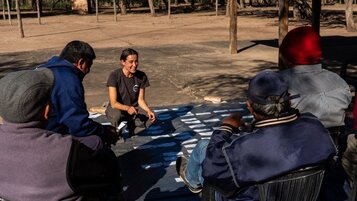
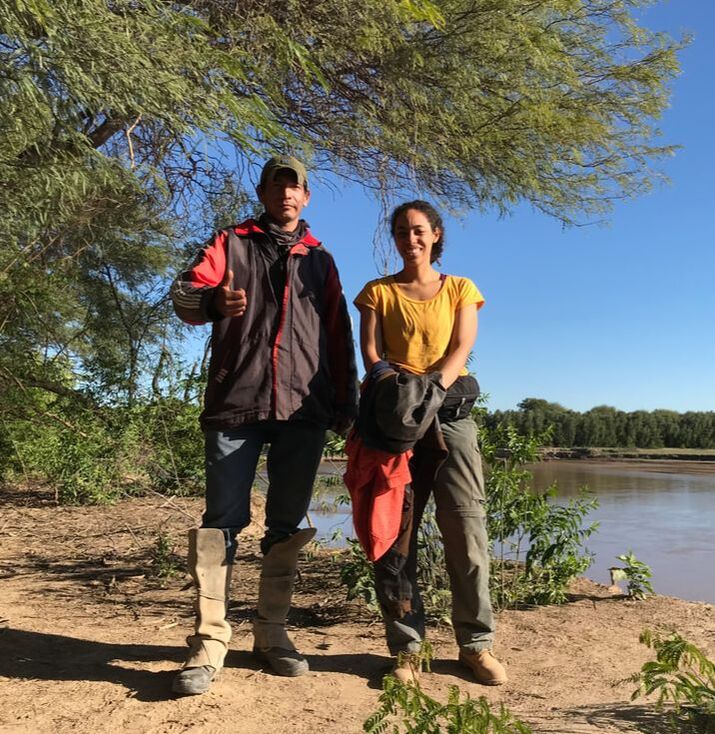
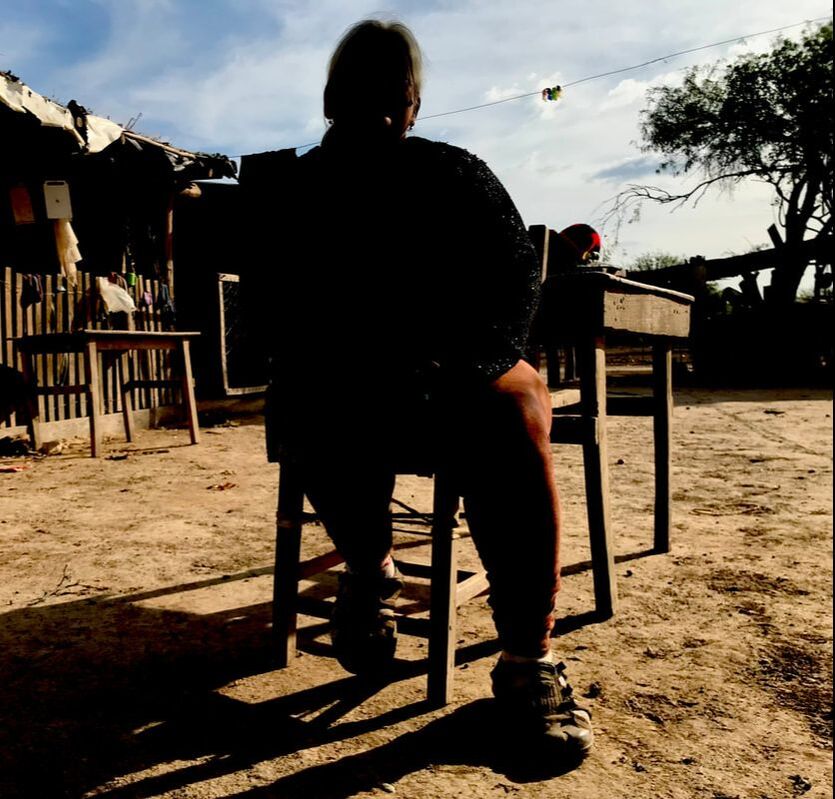
Olivia is back in the office after five months of fieldwork in the Argentine Chaco. Between May and July, she spent most of her time talking with people that have recently migrated away from the forest towards a rapidly growing town, to understand the pressures acting on families living through the expansion of soy and maize monoculture in the region. Then, in July and August, Olivia made her way into the forest to work with charcoal producers. By examining the supply chain of this nationally important commodity she's found that there are fascinating (albeit worrying) feedbacks happening between agricultural expansion and charcoal production in the region (stay tuned!). Finally, in September, Olivia gave a workshop (aimed at exposing youth living in rural communities of Santiago del Estero to concepts in Ecology) in twelve primary schools. During these, she had a chance to interview many teachers - inarguably the experts on the dynamics of outmigration happening in the region. What's next? Lots of data analysis for the next couple months, and then hopefully a return trip to continue the workshops in April and May!
0 Comments

yann back from the Pilcomayo

10/18/2023

0 Comments

 
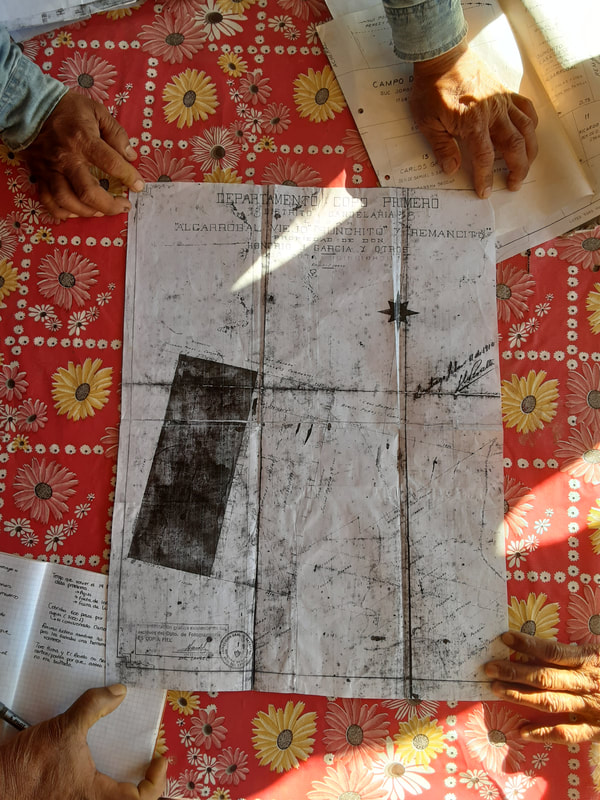
A couple of weeks of intense* fieldwork in the Pilcomayo have allowed Yann to answer some pending questions on settlement history and land conflicts on the left bank of the Pilcomayo river in Paraguay - and, of course, generate some new ones. Next steps are creating a draft booklet of settlement history in the area to disseminate locally and starting to write all this up as academic papers, linking what is happening there to theories of agricultural frontiers, land use regime shifts, and land access changes. Stay tuned!

*) Temperatures of up to 44 degrees Celsius without fan or AC and a solid 800km on the back of a motorbike on some of the worst roads of the country will wear one out!
0 Comments

fieldwork in paraguay this fall

9/20/2023

0 Comments

 
Picture
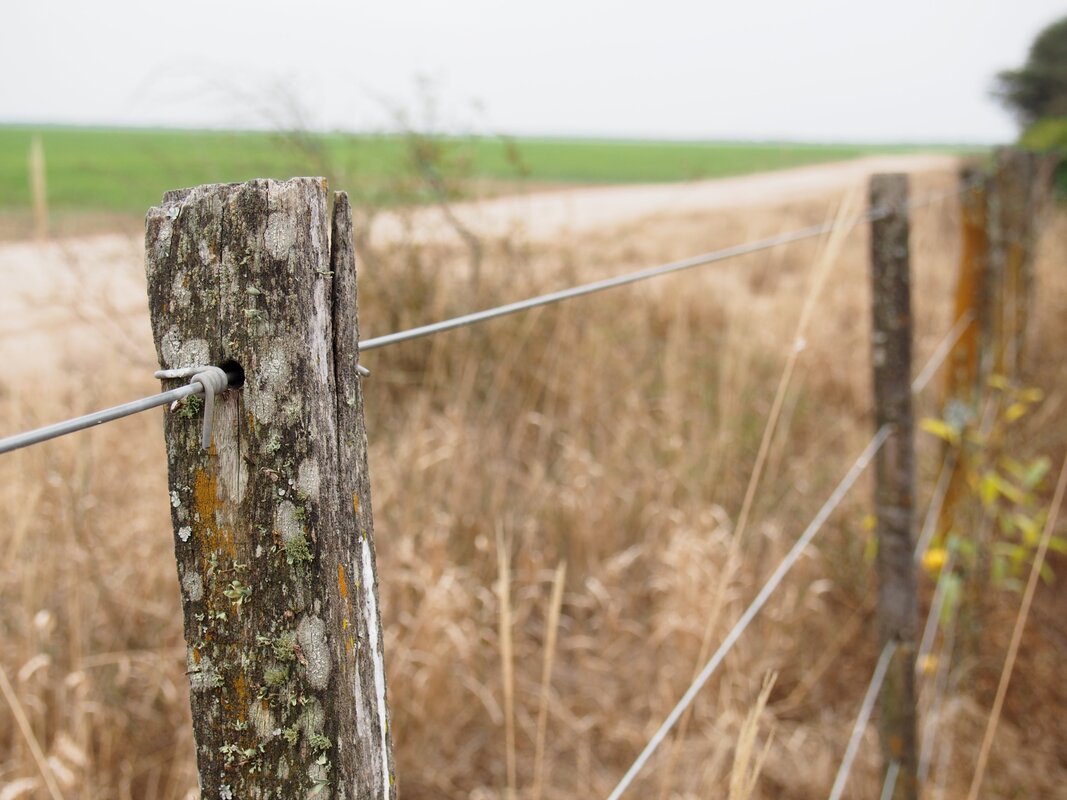
In September and October, Yann will be heading back to the Pilcomayo River basin in Paraguay to continue working on reconstituting the history of land use and livelihoods prior to the arrival of the cattle frontier. The area has experienced important transitions over its history, from a territory dominated by mostly nomadic Manjui and Nivaclé people before the Chaco War, to one where they cohabited with Guaraní and Argentine criollo families as well as  military posts and some large estancias after. Recently, the massive expansion of large cattle ranches has again transformed the region. With this new visit, Yann hopes to shed some light on remaining questions about that history, and on the recent land conflicts that have arisen from the expansion of the cattle frontier.
0 Comments

Olivia's new article on land control is out

9/1/2023

0 Comments

 
Picture
Olivia's paper 'A framework for understanding land control transfer in agricultural commodity frontiers' is out in the Journal of Agrarian Change! In that paper, Olivia In it, reviews the strategies used by different actors to secure control over land prospected for agricultural commodity production worldwide. She then presents a framework for examining the dynamics of control transfer in these often-conflictive 'frontier' moments, that builds on the analytical structure of ‘breaking down’, ‘building up’, and ‘holding on to’ control. The paper is freely accessible here.
0 Comments

summer in ottawa

8/31/2023

0 Comments

 
Picture
This summer, Michelle worked as a Summer Student with Canada’s International Development Research Centre (IDRC) in Ottawa while working on her thesis (“Understanding Discourses around the Sustainability and Morality of the Alberta Beef Industry”). Michelle worked on gender equality and social inclusion issues and provided support to IDRC-funded programs throughout the Global South that work to help build equitable, inclusive and sustainable food systems in the context of climate change.
0 Comments

land control and migration in the chaco

8/24/2023

0 Comments

 
Picture
All summer long, Olivia has been conducting interviews and workshops with criollo smallholders in the province of Santiago del Estero in the Argentine Dry Chaco, in order to better understand dynamics of land control, migrations, and social-ecological feedbacks for her PhD research. She is collaborating with the Instituto de Ecología Regional of the Universidad Nacional de Tucumán.
0 Comments

Patrice submits her final thesis

8/15/2023

0 Comments

 
Picture
Picture
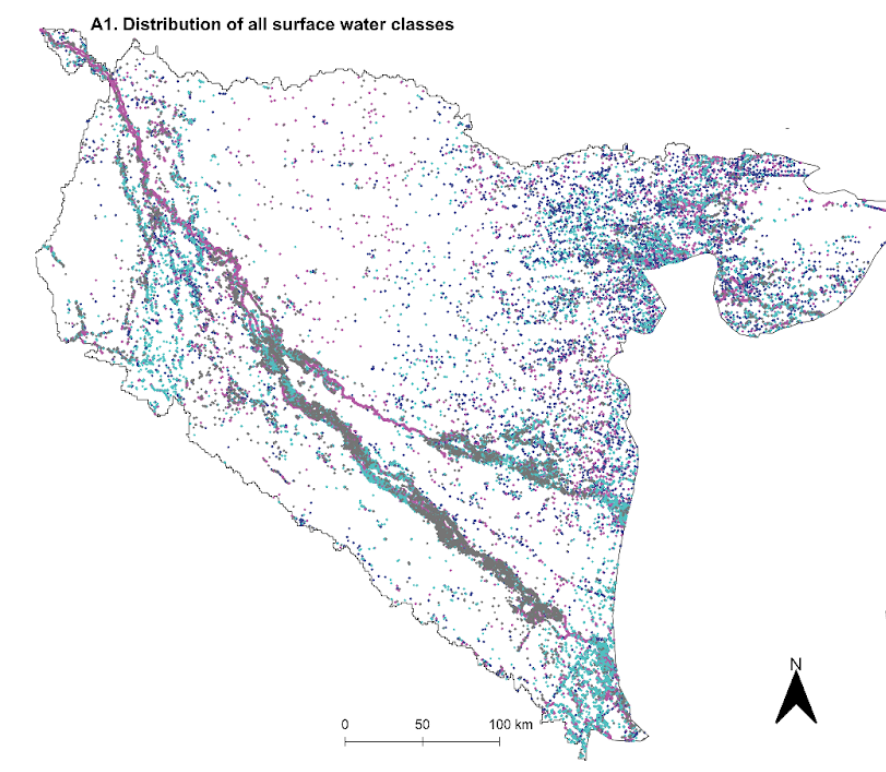
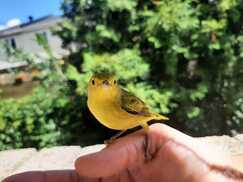
In August, Patrice submitted MSc thesis investigating changes in rural populations' access to surface water in the Pilcomayo Basin due to the expansion of large-scale agriculture. The thesis takes a close look at water access in the Pilcomayo Basin, a part of the Gran Chaco. Being able to access places with water is hugely important for smallholder livelihoods in the Chaco. Patrice deployed advanced techniques to map the presence of surface water and then analyze changes in the ability of smallholders to access that water, as more and more of it gets enclosed by large farms. With her thesis complete, she used the rest of the summer to relax and enjoy lots of time outdoors (and occasionally hang out with some small, winged visitors). At the start of the fall term, she began editing her thesis for publication, so she remains active in the lab as an alumna - stay tuned for a paper to come out of this!
0 Comments

livelihoods and carbon leakage in Panama

9/30/2022

0 Comments

 
Picture
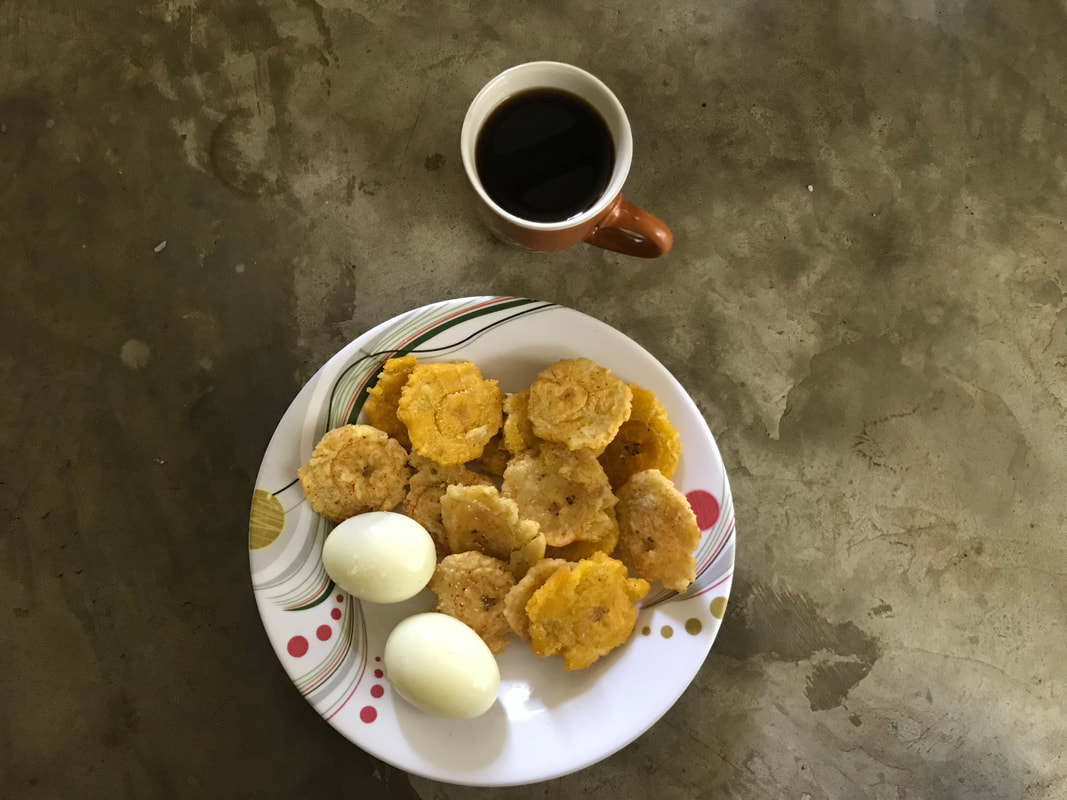
Marie-Claude spent the summer conducting her Master's fieldwork in the indigenous Emberá community of Ipetí in Panamá. There, she asked people about the history of their livelihoods and about their relationship to a reforestation (REDD+) project that took place in the community. With this information, she is hoping to answer questions about land-use and livelihood change in the community, and about the impacts and possible side-effects of the reforestation project. Stay tuned for her results!
0 Comments

new paper on Frontier metrics

9/14/2022

0 Comments

 
Picture
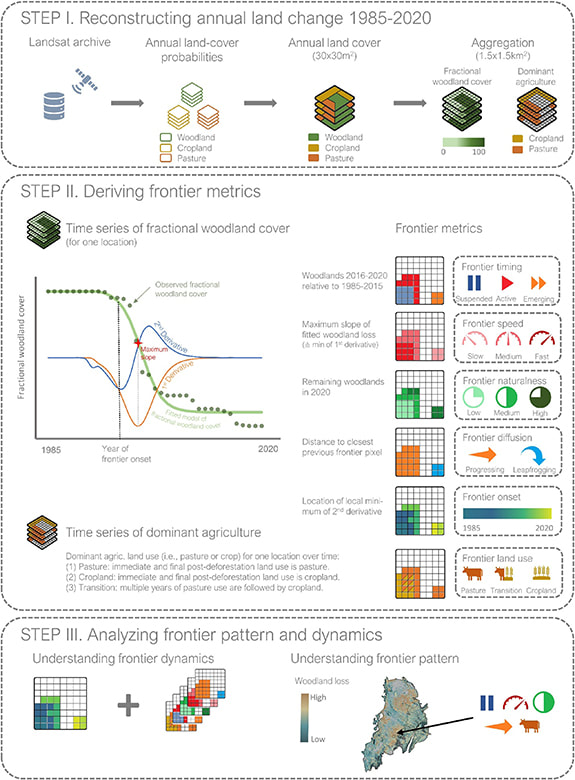
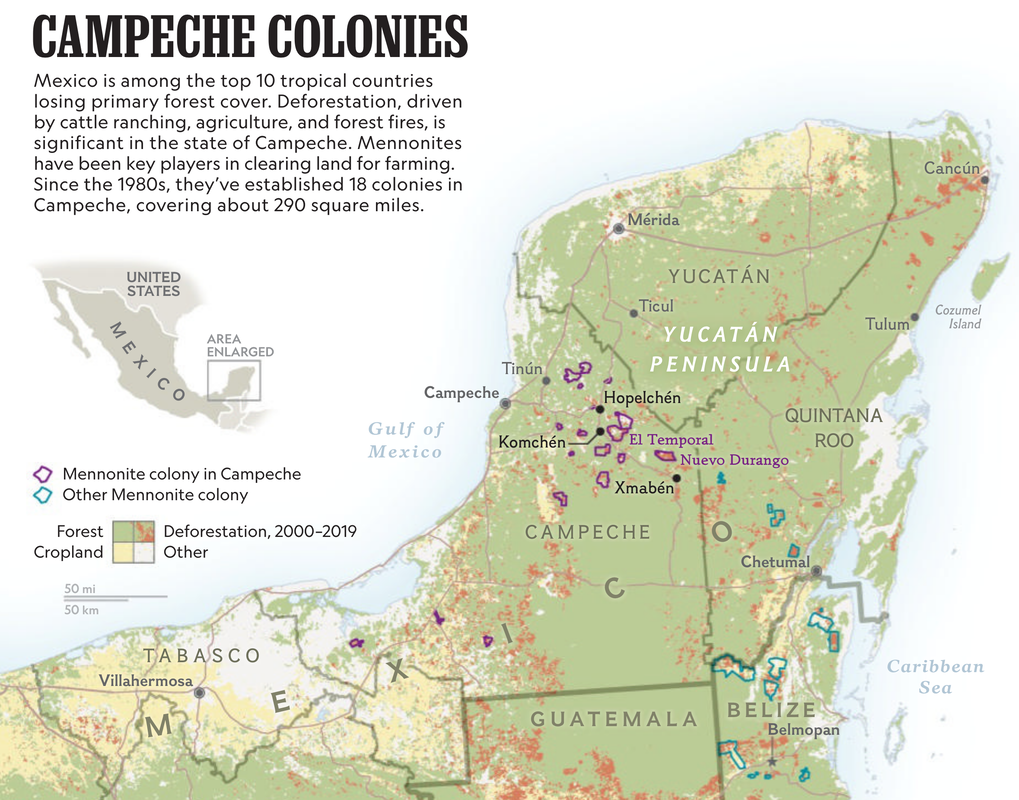
Led by our collaborators at Humboldt University Berlin, this new paper to which Yann contributed develops a set of metrics to characterize agricultural frontiers, in addition to proposing a new high-resolution reconstruction of land-use/cover change in the Gran Chaco 1985 to 2020. The analysis shows that nearly 30% of Chaco woodlands were lost since 1985, with a  major increase in deforestation during the pandemic. It also shows that post-deforestation land-use changes are widespread (mainly cattle ranching to cropping) but that many deforested areas are never used for agriculture. The study shows how frontier metrics can capture and structure this diversity to uncover major patterns of human–nature interactions, which can be used to guide spatially-targeted policies. The paper can be found here.


0 Comments
<<Previous
Forward>>

    LENDEV LAB

    Come here for some news about the activities of our group - publications, fieldwork and more!

    Archives

    October 2025
    September 2025
    August 2025
    June 2025
    February 2025
    November 2024
    July 2024
    May 2024
    March 2024
    October 2023
    September 2023
    August 2023
    September 2022
    June 2022
    February 2022
    August 2021
    July 2021
    December 2020
    August 2020

    Categories

    All

    RSS Feed

    Copyright © 2023 by Yann le Polain de Waroux. All rights reserved.
Powered by Create your own unique website with customizable templates.
  • Home
  • Research
  • People
  • News
  • Outreach
  • Publications
  • Teaching
  • Join the lab
  • Contact